Personalized Wellness Plan Guide for Real Life
Your wellness routine should not feel like a second full-time job. A personalized wellness plan guide starts with your real life: the rushed morning, the afternoon energy dip, the meals you actually enjoy, and the goals that matter to you. Rather than chasing an extreme reset, create a few supportive habits you can repeat with confidence.
The best plan is not the most complicated one. It is the one that fits your schedule, respects your preferences, and gives you a clear way to notice progress. Whether your focus is weight management, brighter-looking skin, more comfortable digestion, or steadier daily energy, consistency usually matters more than perfection.
What makes a wellness plan personal?
A personalized plan considers more than a number on the scale or a single product. It looks at your starting point, your routine, your food preferences, your stress level, your movement, and the practical barriers that tend to interrupt good intentions.
For one person, a meaningful change may be replacing a skipped breakfast with a balanced functional coffee and a protein-rich meal later in the morning. For another, it may be drinking more water, taking a regular walk after dinner, or building a calmer evening routine that supports better sleep. Both are valid. Wellness is personal because your needs, preferences, and capacity are personal.
This approach also helps you avoid the all-or-nothing cycle. A plan that requires you to prepare every meal from scratch, exercise intensely six days a week, and give up every favorite food may sound ambitious, but it is unlikely to hold up during a busy week. Sustainable wellness leaves room for work deadlines, family obligations, travel, celebrations, and rest.
Start with one clear wellness priority
Trying to improve everything at once can make even a well-intended routine feel overwhelming. Begin by choosing one priority for the next four to six weeks. It can be helpful to ask yourself: what would make the biggest positive difference in my everyday life right now?
Your answer may be more energy through the afternoon, less mindless snacking, a more regular eating rhythm, support for skin hydration, or a healthier relationship with movement. Make the goal specific enough to guide your choices, but flexible enough to work in real life.
Instead of setting a goal like “be healthier,” try “eat a satisfying breakfast at least four weekdays,” “walk for 20 minutes after lunch three times a week,” or “build a consistent evening wind-down routine.” Small targets are easier to track, and they create evidence that you can trust yourself to follow through.
Choose a measure beyond appearance
Body confidence can be a meaningful part of wellness, but it should not be the only measure of progress. Notice how your clothes feel, but also pay attention to your energy, digestion, mood, strength, sleep quality, and how consistent your routine feels.
These signals can reveal progress before visible changes occur. They also make your plan more supportive, particularly during seasons when your body or schedule needs a little more care.
Build your personalized wellness plan around daily anchors
An anchor is an activity you already do almost every day, such as making coffee, brushing your teeth, commuting, eating lunch, or winding down before bed. Attach a new habit to one of these existing moments instead of relying on motivation alone.
For example, if mornings are busy, keep your first wellness action simple. You might drink a glass of water while your coffee brews, choose a convenient breakfast with protein and fiber, or take a supplement-style functional food as directed alongside a meal. If your afternoons are where cravings and fatigue tend to appear, plan a satisfying snack before you reach the point of being overly hungry.
Evening anchors can be equally valuable. A short walk, a cup of unsweetened tea, a screen-free ten minutes, or preparing tomorrow's breakfast can make the next day easier. The right anchor depends on your routine, but the principle stays the same: make the healthier choice the easy choice.
Create a balanced plate most of the time
You do not need a perfect meal plan to support your goals. Aim for meals that include a source of protein, fiber-rich carbohydrates, colorful produce, and satisfying fats. This combination can support fullness, steady energy, and a more enjoyable approach to eating.
If you are managing a demanding schedule, convenience matters. Frozen vegetables, pre-washed salad greens, Greek yogurt, eggs, beans, whole-grain wraps, fruit, and simple prepared proteins can all be part of a nourishing routine. The goal is not to eat identically every day. It is to have reliable options when time and decision-making are limited.
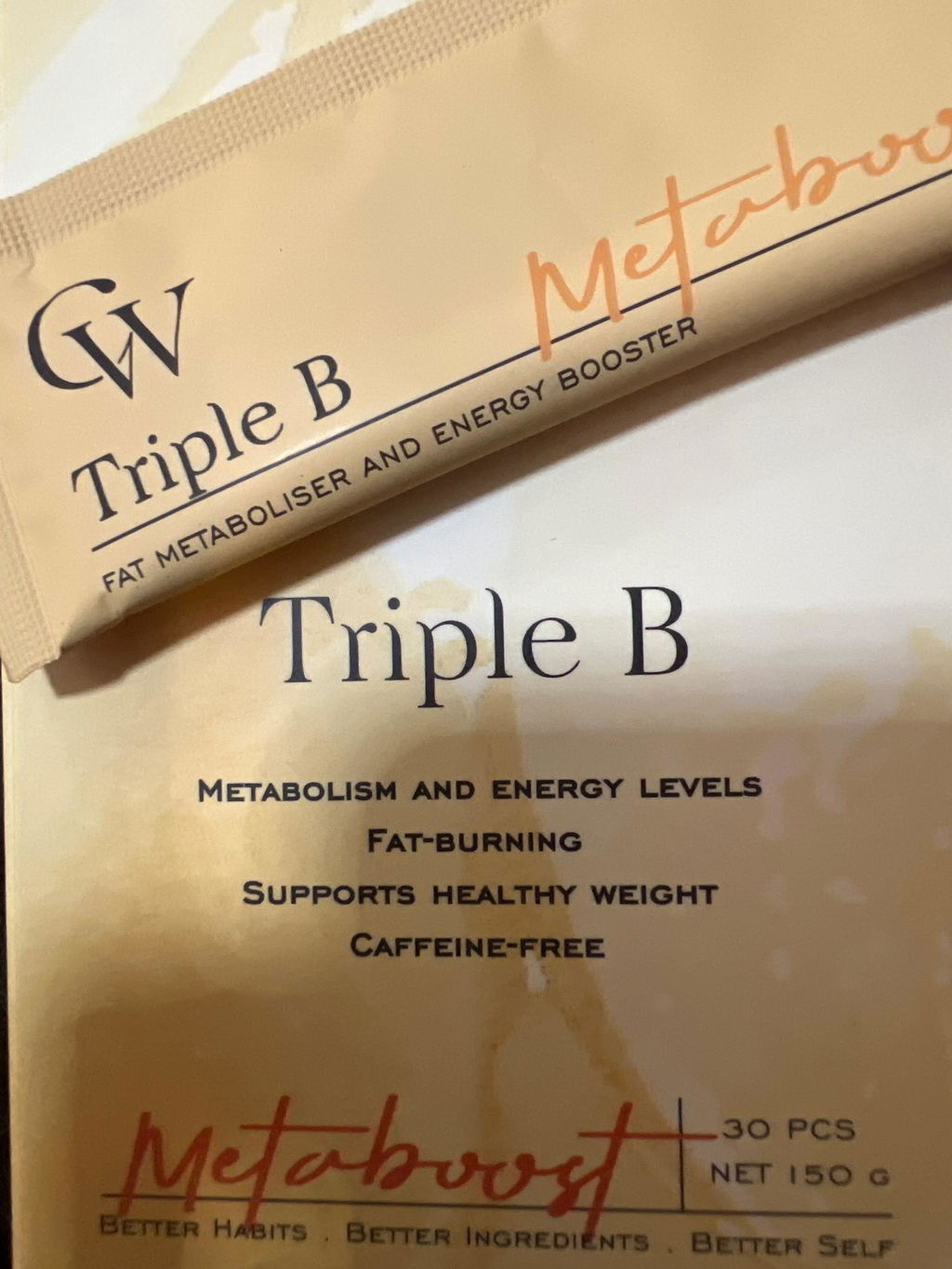
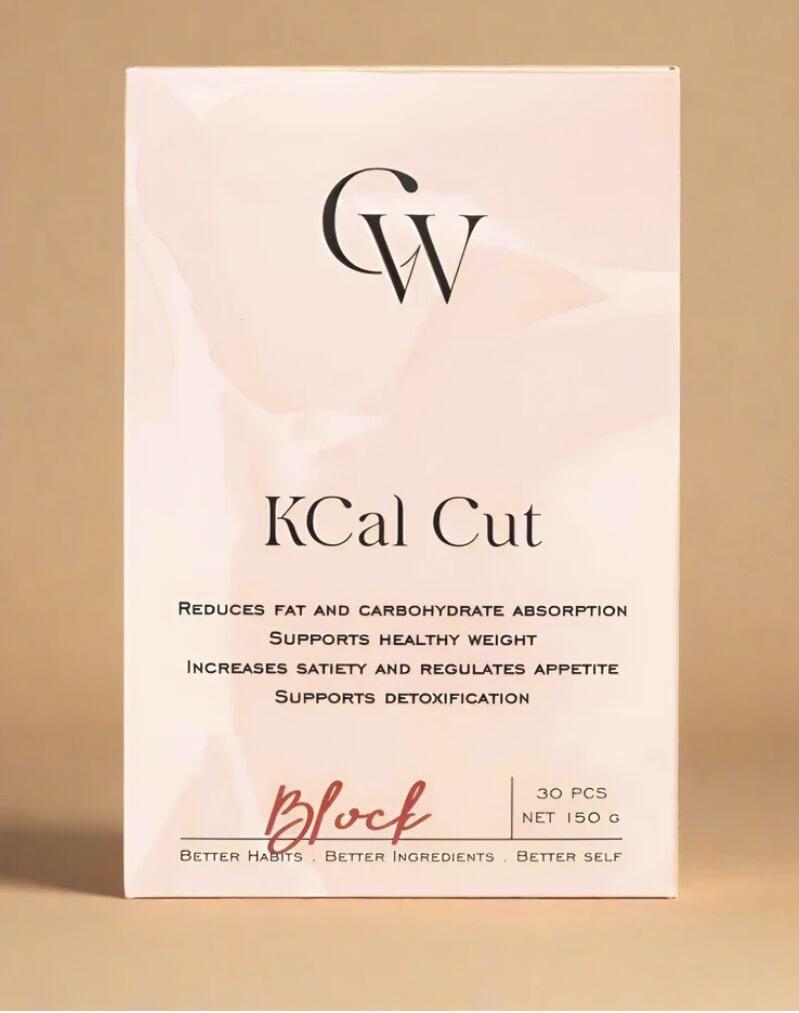
Functional products can also be a useful addition when they suit your needs and preferences. A wellness coffee, tea, or beauty-focused formula may turn an existing ritual into a more intentional one. Think of these products as support for a foundation of everyday habits, not a replacement for regular meals, movement, or professional medical care.
Match movement to your current season
Movement does not have to mean an intense gym session. A personalized plan recognizes that your energy and available time can change from week to week. Walking, strength training, stretching, cycling, dance, swimming, and short at-home workouts can all support overall well-being.
If you are beginning again after a long break, start smaller than you think you need to. Ten minutes of movement that happens consistently is more useful than a demanding routine you avoid after three days. If you already exercise regularly, consider whether your plan includes recovery, mobility, and enough food to support your activity.
A practical goal is to choose one form of movement you genuinely do not dread. Enjoyment is not a bonus feature. It is often what makes consistency possible.
Support digestion, sleep, and stress together
Wellness goals are interconnected. Poor sleep can make it harder to feel energized for movement and may affect hunger cues. Stress can influence digestion, food choices, and the ability to maintain routines. This does not mean you need to solve every source of stress before caring for yourself. It means your plan should be compassionate enough to acknowledge the connection.
Start by looking for one supportive action in each area. For digestion, it may be eating more slowly, staying hydrated, or gradually adding fiber-rich foods. For sleep, it might be keeping a more regular bedtime or moving caffeine earlier in the day. For stress, it could be a five-minute walk outside, a breathing practice, or a brief check-in with someone you trust.
If you have ongoing digestive discomfort, severe fatigue, sudden weight changes, or concerns about a health condition, speak with a qualified healthcare professional. Personalization is valuable, but it should include the right expert support when symptoms need further attention.
Review your plan without judgment
A wellness plan should evolve with you. Once a week, take a few minutes to ask what felt easy, what felt difficult, and what you would change next week. This is not a test of willpower. It is useful information.
If a habit did not happen, look at the obstacle. Was the goal too large? Did you lack a convenient option? Did the habit have no clear cue in your day? Adjusting the plan is not failing the plan. It is how you make it more realistic.
You may find that a simple tracker helps, especially at the beginning. Record only what is useful: water, meals, movement, sleep, or how you feel after a new routine. Avoid tracking that makes you anxious or overly focused on perfection. Your plan should support your well-being, not become another source of pressure.
Get guidance when you want more clarity
Wellness information can feel crowded and contradictory, especially when you are trying to choose products, set goals, and understand what may work for your body. Expert-led support, nutrition consultations, and tools such as a wellness quiz can help turn broad goals into more practical next steps.
At Company of Wellness, the focus is on better habits, better ingredients, and a better self - with approachable formats and guidance designed for everyday routines.
Your next healthy choice does not need to be dramatic. Make it small enough to repeat tomorrow, kind enough to sustain, and meaningful enough to remind you that caring for yourself is still worth making time for.