Personalized Wellness Trends That Fit Real Life
A wellness routine only works when it can survive a busy Tuesday. If your plan requires a perfect morning, a fully stocked fridge, and an hour you do not have, it is unlikely to become a habit. That is why personalized wellness trends are moving beyond one-size-fits-all advice and toward practical support built around real schedules, preferences, and goals.
For some people, that may mean a functional coffee that supports a more intentional morning routine. For others, it may mean getting clearer about protein, digestion, sleep, or the small habits that support healthy weight management. Personalization is not about chasing the most advanced device or taking more supplements. At its best, it helps you focus on what is relevant, realistic, and worth repeating.
Why Personalized Wellness Trends Are Growing
For years, wellness advice often arrived as a universal rule: eat this, avoid that, work out this way, wake up at this hour. But bodies, lifestyles, cultures, budgets, and health priorities are different. A working parent may need easy meals and steady energy. A frequent traveler may be focused on digestion and hydration. Someone managing body confidence may want supportive routines that do not revolve around restriction.
Personalized wellness responds to that reality. It uses information about your habits, preferences, goals, and sometimes your biology to make recommendations more useful. That information may come from a wellness quiz, a food diary, a wearable device, a consultation with a nutrition professional, or a DNA kit. The goal is not to turn every choice into a data project. It is to reduce guesswork.
There is also a shift in what people expect from wellness brands. Consumers want ingredient transparency, convenient formats, and credible guidance. They are looking for products that can fit into familiar rituals, such as coffee, tea, snacks, or a simple daily supplement, rather than demanding a complete lifestyle overhaul.
Personalization Starts With Your Actual Goal
The most helpful wellness plans begin with a specific question. “I want to be healthier” is a meaningful intention, but it is broad. A clearer starting point could be wanting more consistent afternoon energy, feeling less bloated after meals, building a skin-supporting routine, or creating more structure around weight management.
Once the goal is clear, the next step is identifying the barrier. Is it lack of time? Confusing nutrition advice? A tendency to skip breakfast? Difficulty staying consistent when work gets stressful? The answer shapes the right kind of support.
For example, someone who regularly misses breakfast may benefit more from a satisfying, functional beverage and a simple nutrition plan than from an elaborate meal-prep schedule. Someone already eating balanced meals but struggling with skin concerns may be more interested in beauty-focused functional ingredients, hydration, and sleep consistency. The best routine is not the most impressive one. It is the one you can keep doing.
Data Can Guide You, Not Define You
Wearables, continuous glucose monitors, at-home tests, and DNA insights have made wellness data more accessible. Used thoughtfully, they can reveal patterns that are easy to miss, such as inconsistent sleep, low daily movement, or how quickly stress disrupts your routine.
Still, a number is only one piece of the picture. A wearable cannot fully explain why you feel tired, and a DNA result cannot predict your future health with certainty. Genetics may offer useful context, but daily habits, medical history, environment, and overall nutrition matter greatly too.
Treat personal data as a conversation starter. If a result concerns you or symptoms are persistent, speak with a qualified healthcare professional. Wellness tools can support awareness, but they are not a substitute for medical diagnosis or care.
The Rise of Everyday Functional Rituals
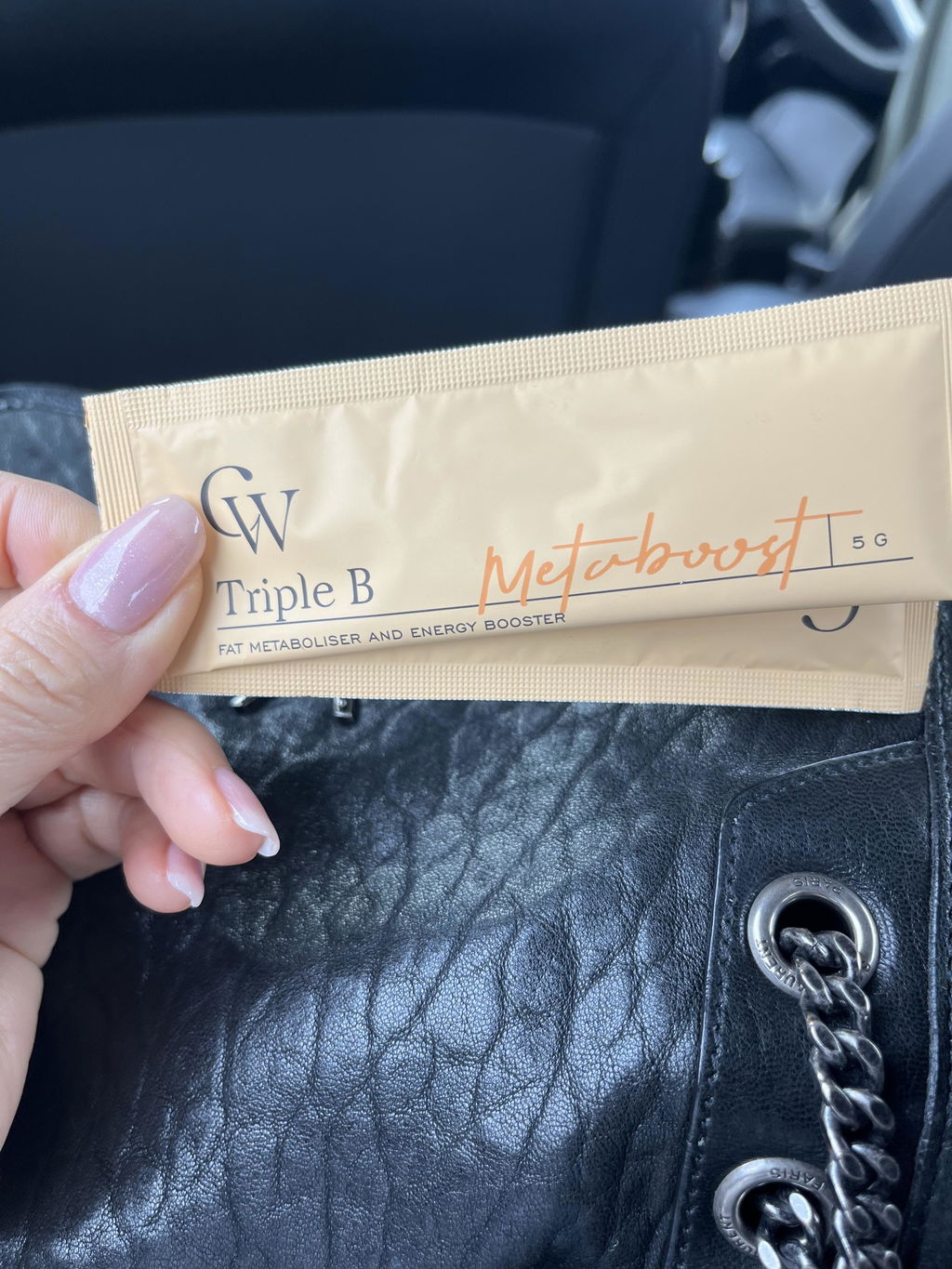
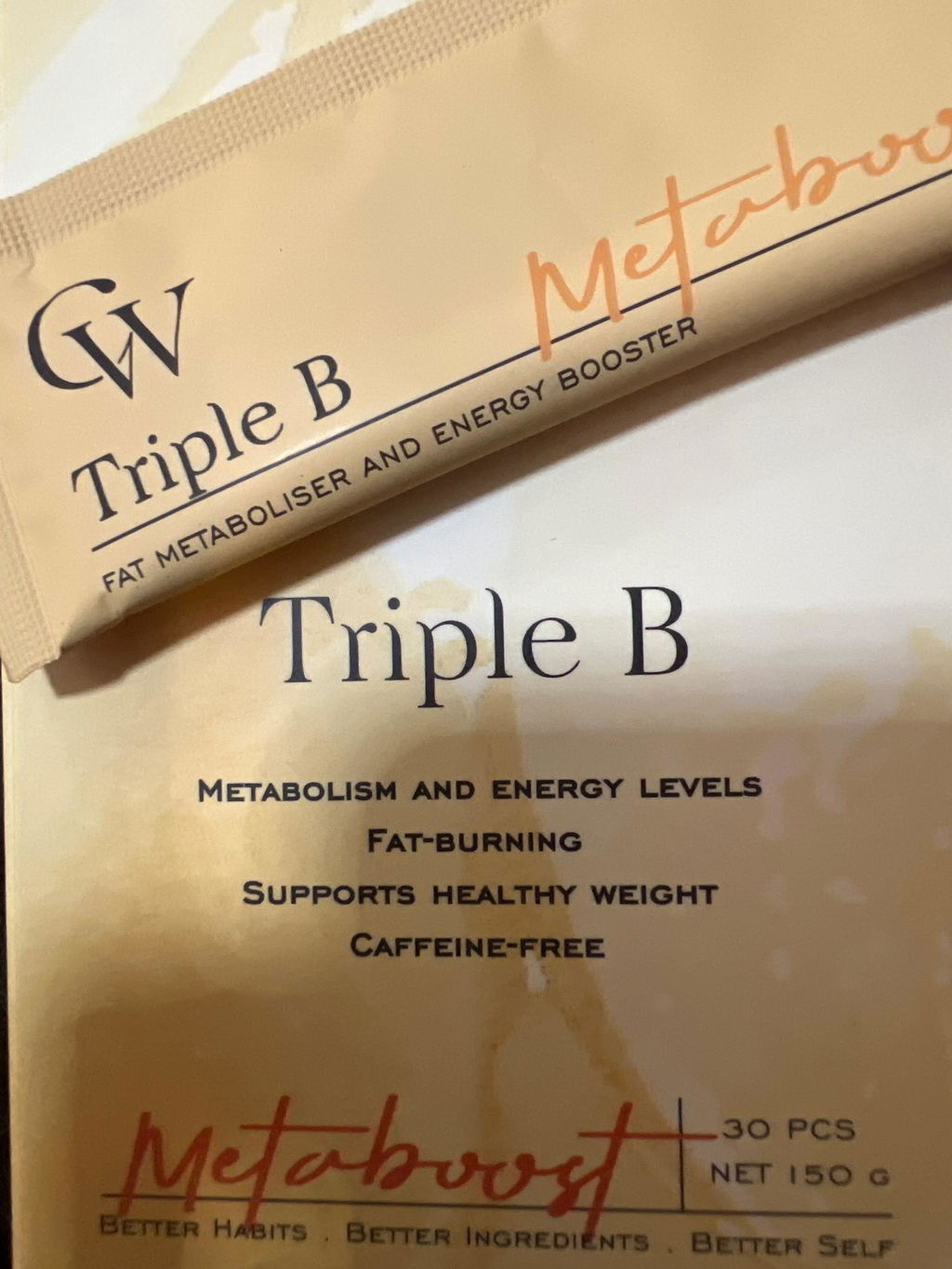
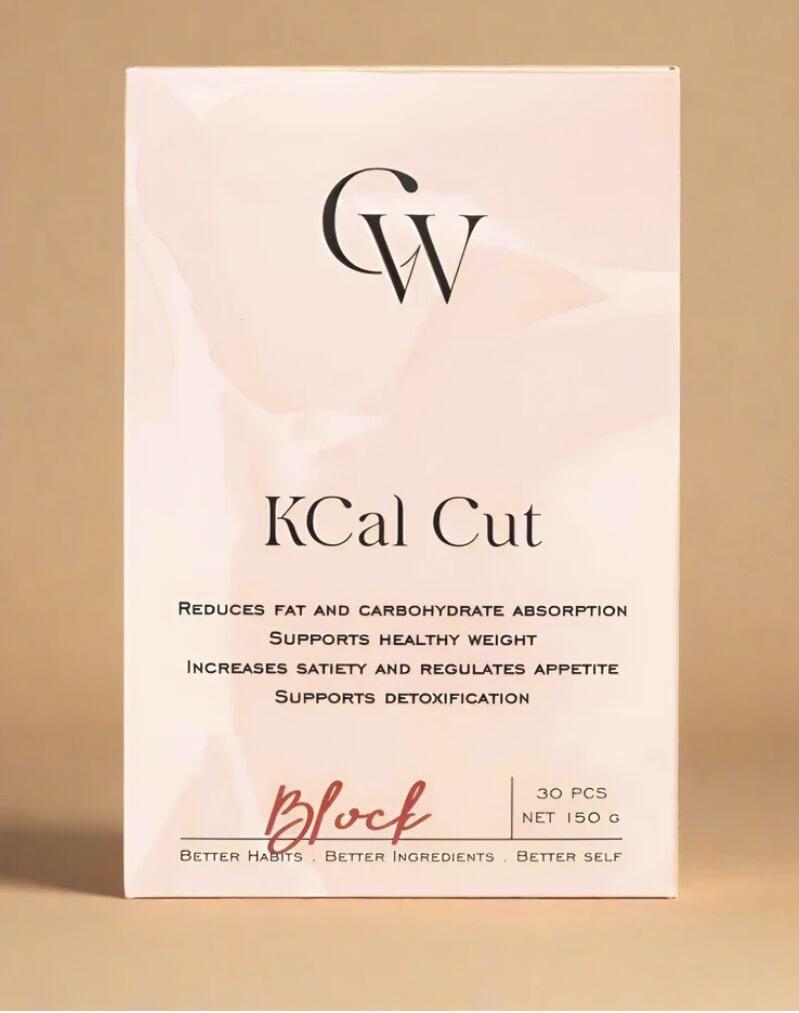
One of the most practical personalized wellness trends is the move from occasional resets to everyday rituals. People are choosing formats that already belong in their day: a morning coffee, an afternoon tea, a collagen jelly, or a nightly wind-down routine.
This matters because consistency is where many wellness efforts succeed or fall apart. A highly researched ingredient cannot do much if it sits unopened in a cabinet. Convenient formats can remove friction, especially for professionals, parents, and anyone balancing long days.
Functional products should still earn a place in your routine. Look for a clear purpose, sensible serving guidance, and ingredients you recognize or can research. Doctor-approved formulations, vegetarian-friendly options, halal certification, and transparent quality standards can offer added reassurance, particularly in a crowded market full of exaggerated claims.
A useful question is: what would this replace or improve? A functional coffee may make more sense if it helps you create a more mindful breakfast routine. A wellness tea may be valuable if it encourages you to pause, hydrate, and choose a gentler evening ritual. It depends on the habit around the product, not just the product itself.
Expert Support Is Becoming Part of the Plan
Personalization does not have to mean figuring everything out alone. More people are pairing self-guided tools with nutritionist consultations, structured programs, and educational resources. This can be especially helpful when your goal involves multiple factors, such as weight management, digestion, skin health, stress, and sleep.
An expert can help turn scattered information into priorities. Instead of changing ten things at once, you might start with regular meals, more fiber-rich foods, a daily movement target, and one functional product that suits your needs. That approach is less dramatic, but it is often more sustainable.
At Company of Wellness, this habit-first approach is reflected in support such as wellness quizzes, nutritionist consultations, DNA insights, and the Better Self Programme. The purpose is not perfection. It is helping people find a manageable next step and build confidence through repetition.
Personalization Should Not Feel Restrictive
There is a trade-off to consider. More data and more recommendations can create pressure to optimize every meal, workout, and night of sleep. When wellness becomes another demanding project, it can add stress instead of relieving it.
A healthy personalized approach leaves room for flexibility. Your routine may look different during a demanding work period, while caring for family, or when you are traveling. That does not mean you have failed. It means your plan should adapt.
Rather than aiming for flawless adherence, choose a few anchors you can return to: a balanced first meal, water within reach, a daily walk, a consistent bedtime cue, or a functional product you genuinely enjoy. Small actions give your routine stability without making life feel overly controlled.
How to Choose What Is Worth Trying
The wellness market moves quickly, and not every trend deserves your attention. Before adding a personalized tool, program, or product, look beyond the promise on the label. Consider whether it aligns with a genuine need and whether the recommendation is grounded in credible evidence.
Four questions can help you decide:
- Is the goal specific enough to measure through how you feel or what you do consistently?
- Does the recommendation fit your schedule, dietary preferences, and budget?
- Are the ingredients, serving guidance, and quality standards clear?
- Can you give it enough time to evaluate without changing everything else at once?
Be cautious with claims that promise rapid body changes, effortless weight loss, or results that sound too certain. Sustainable wellness rarely comes from a single shortcut. It comes from well-chosen supports working alongside nourishing food, movement, rest, and professional care when needed.
Build a Routine That Learns With You
Your needs can shift across seasons and stages of life. A routine that supported you last year may no longer fit your current work hours, fitness level, or priorities. Personalization works best when it remains flexible enough to change with you.
Start with one area you would like to improve, then choose one habit that feels almost easy to begin. Give it a few weeks. Notice what helps, what creates friction, and what you actually enjoy. From there, adjust with intention rather than abandoning the routine at the first imperfect day.
The most meaningful wellness trend may be this: moving away from extreme rules and toward better self-knowledge. When your routine respects your body, your values, and your real life, every small choice becomes a practical way to care for your future self.