Rebuilding Your Energy Before Year-End Burnout
The last few months of the year can feel deceptively demanding.
Work deadlines start piling up. Social calendars get fuller. Festive plans begin. And somewhere between trying to finish the year well and keeping up with everything else, your energy can start to dip.
Sometimes, what feels like “I need to push harder” is really your body asking for more support.
Rebuilding your energy does not necessarily mean doing more. Often, it means creating small moments throughout the day that help you reset, refuel and protect the energy you already have.
Here are five simple ways to help you feel a little more restored as the year picks up pace.

1. Start With the Right Kind of Energy Support
When energy drops, many of us instinctively reach for caffeine.
And there is nothing wrong with enjoying a cup of coffee as part of your morning routine. Caffeine can help with alertness and concentration, which is why a morning Long Black or Caramel Macchiato can become a useful ritual on particularly busy days.
If you are sensitive to caffeine, already drinking several cups of coffee, or looking for something later in the day, a caffeine-free option may suit your routine better.
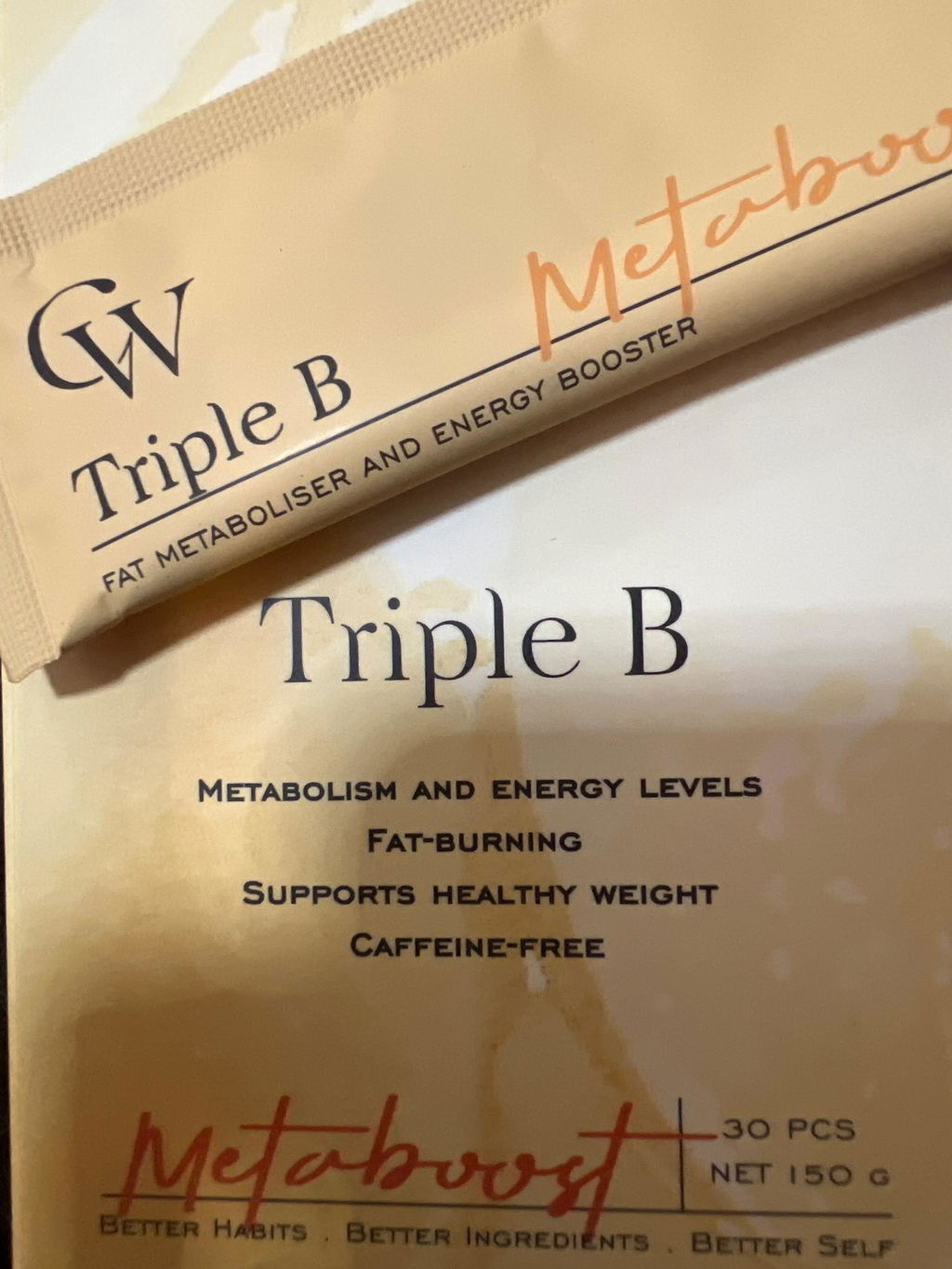
Triple B offers an alternative for those who want daily energy and metabolism support without adding another source of caffeine.
Instead of pumping in more coffee, consider what your body actually needs that day.
Sometimes it is stimulation. Sometimes it is nourishment. And sometimes it is just rest.

2. Turn Tea Into a Real Pause
A tea break works best when it is actually a break.
Rather than making tea and immediately returning to your screen, use those few minutes as a small transition in your day.
Step away from your desk. Stretch your shoulders. Take a few slower breaths while the tea steeps.
A warm cup of tea can become a cue to slow down, particularly during that mid-afternoon period when concentration starts to fade.
You do not need 30 minutes of meditation to reset your mind. Sometimes, five quiet minutes with a cup of tea is enough to break the cycle of rushing from one task to another.

3. Use Scent to Change the Mood Around You
Our surroundings can influence how we feel more than we realise.
If your workspace has started to feel like a place of endless deadlines, a small sensory change can make it feel different.
Try introducing a scent you associate with calm or comfort, perhaps through a diffuser, candle, room spray or even your favourite hand cream.
Fresh citrus scents can feel bright and uplifting, while softer floral or woody notes may help create a more relaxing atmosphere.
The purpose is not to “fix” stress with fragrance. It is simply to create a small signal to your brain that the pace of the moment has changed.
Pair it with something simple: close your laptop for five minutes, make a warm tea, or take a few deep breaths.
Small resets work best when they are easy enough to repeat.

4. Spend Time With People Who Help You Recharge
Not every social interaction restores energy. Some leave you feeling lighter. Others leave you needing another weekend.
As the year gets busier, it may be worth paying attention to the difference.
Make time for the people around whom you do not have to perform.
It could be dinner with a close friend, a walk with your partner, calling someone on the way home or simply spending time with family without trying to multitask.
Connection can be a form of recovery too. And it does not always have to involve talking through every problem.
Sometimes laughing about something completely unrelated to work is exactly the reset you needed.

5. Eat for Steadier Energy, Not Just Quick Energy
When we are tired, convenience usually wins.
That can mean skipping meals, relying on snacks or reaching for sugary foods for a quick boost. But this will lead to another dip very soon.
Instead, aim for meals that combine a few simple building blocks:
Protein such as eggs, fish, chicken, tofu or yoghurt can help make meals more satisfying.
Complex carbohydrates such as oats, brown rice, wholegrain bread or sweet potato provide stable and lasting energy.
Healthy fats from foods like nuts, seeds or avocado can help round out the meal.
Don't forget fruits and vegetables for fibre and micronutrients.