Weight Management Without Restrictive Dieting
A skipped breakfast, a rushed lunch at your desk, and takeout after a long day can make healthy choices feel like another item on an already full to-do list. Weight management without restrictive dieting offers a more realistic path: build routines that support your goals without asking you to give up the foods, gatherings, and flexibility that make life enjoyable.
This approach is not about lowering your standards or ignoring nutrition. It is about replacing all-or-nothing rules with repeatable decisions. When your habits work on busy Tuesdays, family weekends, and travel days, they have a much better chance of lasting.
Why restrictive plans often feel hard to sustain
Strict diets can seem appealing because they promise clarity. A long list of forbidden foods may feel easier than making decisions in the moment. But overly rigid rules can also make eating stressful, increase cravings, and create a familiar cycle: start strong, feel deprived, go off-plan, then decide you have failed.
Your body is not a machine that responds exactly the same way every day. Hunger, energy needs, sleep, stress, activity level, medications, hormones, and health conditions can all influence weight and appetite. That is why a plan that worked for someone else may not fit your schedule, preferences, or needs.
Sustainable progress is usually less dramatic. It comes from meals that keep you satisfied, movement you can return to, and a routine that makes supportive choices easier to repeat. The goal is not perfection. It is a steadier relationship with food and your body.
Weight management without restrictive dieting begins with satisfying meals
A satisfying meal does more than look healthy. It helps you feel comfortably full, supports steady energy, and reduces the urge to graze mindlessly later. Rather than cutting out entire food groups, start by adding structure to what is already on your plate.
Start with protein and fiber
Protein and fiber can make meals feel more filling, which may help you stay satisfied between meals. Build around a protein source you enjoy, such as eggs, Greek yogurt, fish, chicken, tofu, tempeh, beans, or lentils. Then add fiber-rich foods like vegetables, fruit, oats, whole grains, and legumes.
For example, instead of relying on coffee alone until noon, pair it with eggs and fruit, yogurt with oats and berries, or a savory breakfast with tofu and vegetables. At lunch, a rice bowl can still fit your goals when it includes a protein, colorful vegetables, and a portion that leaves you energized rather than overly full.
There is no need to make every meal identical or perfectly balanced. A practical pattern matters more than a perfect plate. If dinner is pizza with friends, enjoy it, then return to your usual breakfast the next morning. One meal does not define your progress.
Keep convenience on your side
The healthiest choice is not always the one that requires the most preparation. Keep simple options available for the moments when time is short: pre-washed greens, frozen vegetables, canned beans, rotisserie chicken, eggs, fruit, plain yogurt, and easy whole-grain staples can all reduce decision fatigue.
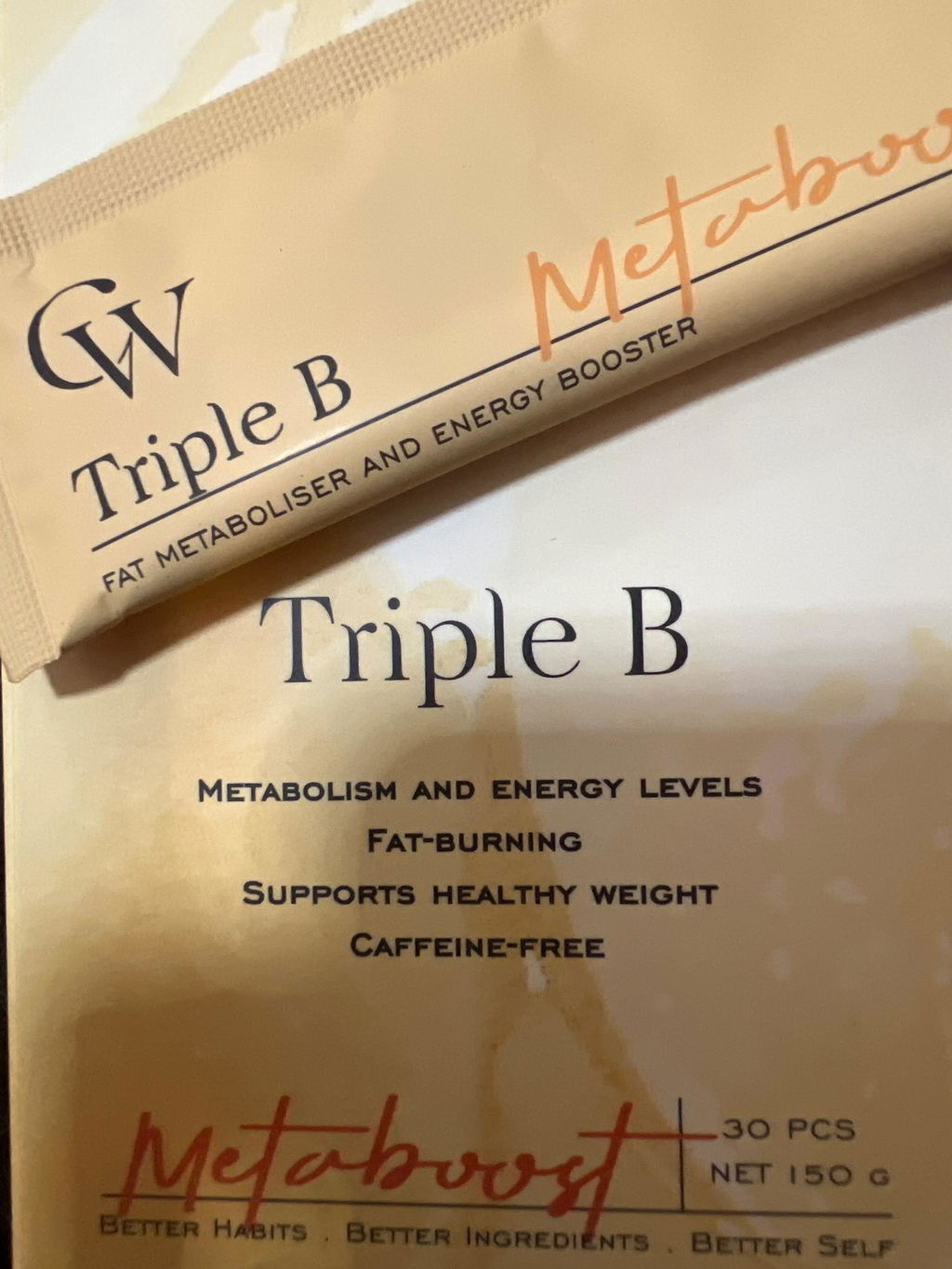
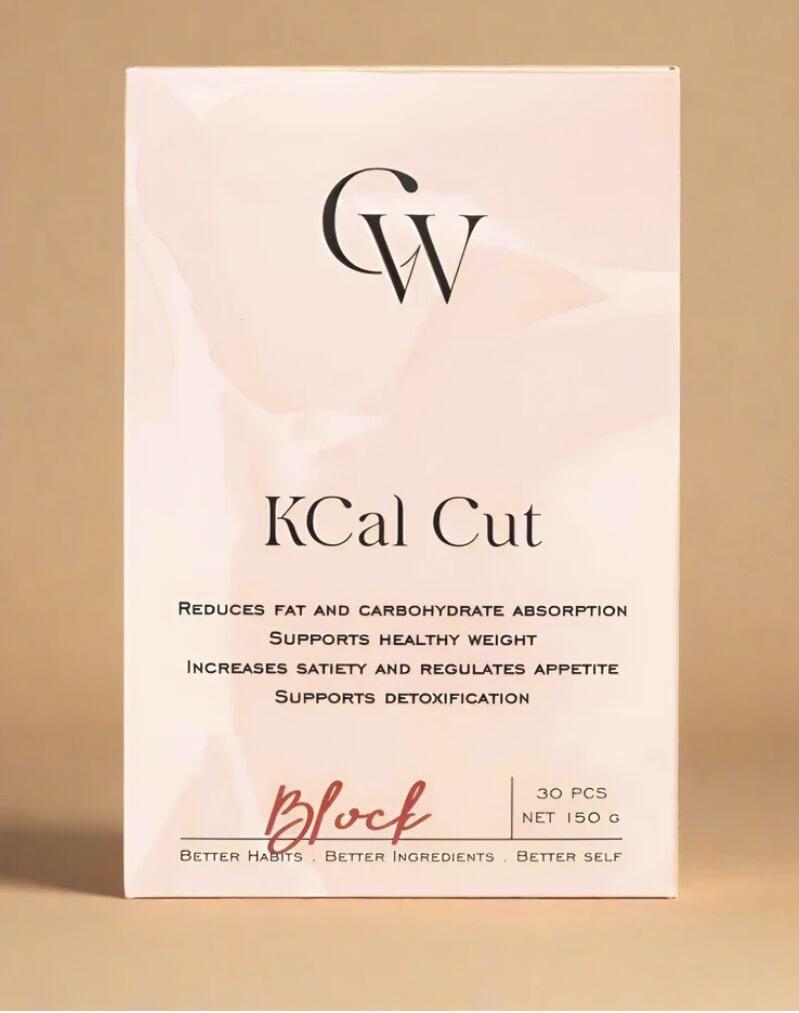
Functional foods and thoughtfully formulated wellness products may also fit into a busy routine when they complement, rather than replace, nourishing meals. Look for options with ingredients and benefits that are clearly explained, and keep expectations realistic. No coffee, tea, or supplement can compensate for chronic sleep loss, inconsistent meals, or a routine that leaves no space for movement.
Make movement a form of support, not punishment
Exercise does not need to be intense to be meaningful. When movement is used only to “earn” food or make up for eating, it can become another source of pressure. A more helpful perspective is to choose movement because it can support strength, mood, mobility, energy, and long-term health.
Walking is a powerful place to start because it is accessible and easy to scale. A 10-minute walk after lunch, a call taken while pacing, or an evening walk with a friend all count. Strength training can be equally valuable, especially for supporting muscle as you age. You do not need a complicated program to begin - a few consistent sessions each week can be more useful than an ambitious plan you stop after two weeks.
Choose movement that fits your current season. A parent with limited time may prefer short at-home workouts. Someone who sits through long workdays may focus on walking breaks and weekend activities. The right routine is the one you can repeat with reasonable consistency.
Pay attention without tracking every bite
Some people find calorie tracking useful for a short time because it reveals patterns. Others find it stressful, time-consuming, or overly consuming. Both experiences are valid. You can practice awareness without recording every meal.
Try noticing a few simple cues: Are you arriving at meals extremely hungry because you skipped earlier meals? Which breakfasts help you stay focused? Do certain snacks leave you satisfied, or reaching for more 30 minutes later? Are you eating because you are hungry, bored, stressed, or simply under-fueled?
This is information, not a reason to judge yourself. Curiosity makes it easier to adjust. Maybe you need a more substantial afternoon snack. Maybe your lunch needs more protein. Maybe late-night eating is connected to an exhausting day and would improve with an earlier dinner, better sleep, or a short moment to decompress.
Protect the habits around your meals
Weight management is not only about what you eat. The routines around food can affect hunger, choices, and energy in ways that are easy to overlook.
Sleep is one example. After a poor night’s rest, many people notice stronger cravings and less patience for meal preparation. Hydration matters, too, although drinking more water is not a substitute for eating enough. Stress can also change appetite in either direction. A five-minute pause, a walk outside, a stretch between meetings, or a consistent wind-down ritual can be a meaningful part of your wellness routine.
Instead of trying to change everything at once, choose one or two habits that feel manageable. You might prepare two easy lunches on Sunday, take a short walk after dinner three days a week, or add a protein-rich breakfast on workdays. Small actions become more powerful when they are repeated.
Set goals beyond the scale
The scale can be one data point, but it is not the only measure of progress. Weight naturally fluctuates due to hydration, digestion, travel, and many other factors. If you rely on one number alone, normal changes can feel discouraging.
Consider tracking signs that your habits are supporting you: steadier afternoon energy, fewer intense cravings, improved strength, more comfortable digestion, better sleep, or confidence in making balanced choices when you eat out. These changes often appear before, alongside, or independently of changes on the scale.
If weight changes are sudden, unexplained, or paired with symptoms that concern you, speak with a qualified healthcare professional. Personalized guidance is especially useful if you have a medical condition, take medication, are pregnant or postpartum, or have a history of disordered eating.
Give yourself a plan for real life
A sustainable routine needs room for celebrations, restaurant meals, holidays, and days when your schedule changes. Rather than trying to control every situation, decide what “good enough” looks like in advance. You might choose a filling breakfast before a long event, include a vegetable where it is easy, enjoy a favorite dessert without guilt, and return to your regular routine at the next meal.
Company of Wellness believes better health is built through better habits and supportive everyday rituals, not harsh resets. Whether your next step is a more satisfying breakfast, a daily walk, or expert guidance for a goal that feels complex, let it be small enough to begin now and meaningful enough to keep.
Your body deserves care that can stay with you. Choose the next supportive habit, practice it kindly, and allow consistency - not restriction - to carry you forward.